How Zilingo Crumbled: A Tale of an E-commerce Giant
Zilingo rose to a $970M valuation by connecting Southeast Asian businesses to global markets—but behind the growth were cracks that led to its dramatic سقوط.
Read Time
Company
Zilingo
Outcome
Ankiti Bose
Ankiti Bose is the co-founder and former CEO of Zilingo, a once high-growth startup that scaled rapidly before collapsing amid financial and leadership challenges.
Why This Failure Matters
Not every fast-growing startup is healthy—this story reveals how cash burn, weak systems, and leadership crises can destroy even the most promising companies.
Story Overview
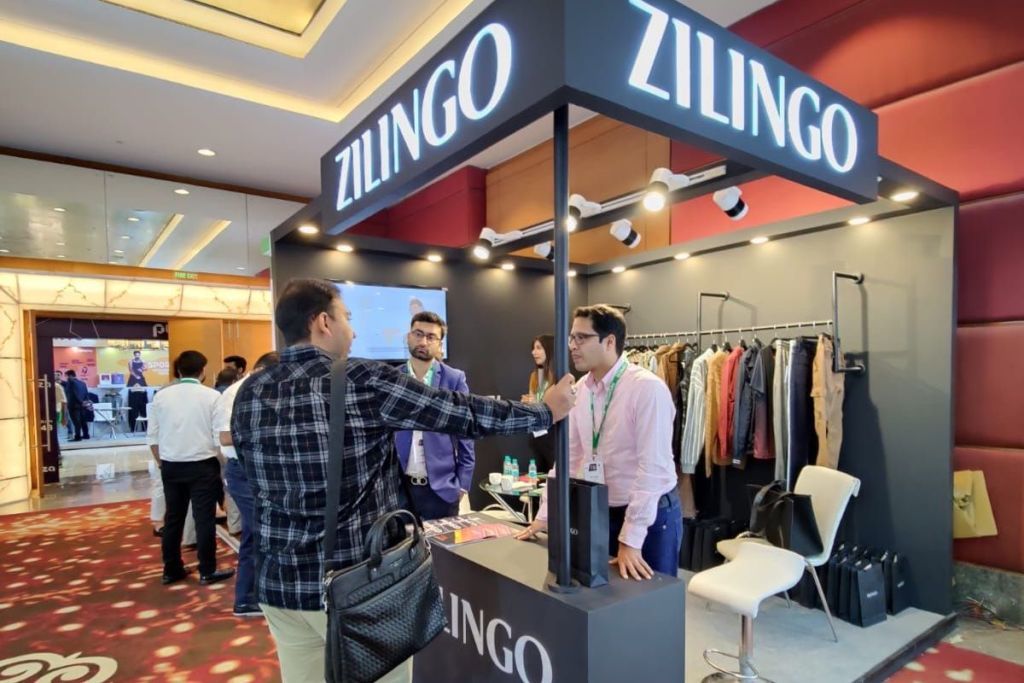
Founded in 2015 by Ankiti Bose and Dhruv Kapoor, Zilingo set out to empower small Southeast Asian businesses through e-commerce and later expanded into B2B services.
Despite rapid growth and near-unicorn status, the company struggled with heavy cash burn, operational inefficiencies, and a leadership crisis.
Zilingo eventually collapsed in 2022—becoming a cautionary tale of how growth without strong fundamentals can lead to failure.
Continue Reading
Read The Full Story
The next section is where the real story opens up.
Enter your name and email to continue reading the full story, including the operating decisions, pivotal moments, and the lessons behind the company.
Story Snapshot
Founder Context
Related Stories
View all stories
Tom Anderson · Myspace
Rise and Fall of Myspace: A Pioneering Social Media Platform
Myspace did not disappear because people stopped wanting social media. It fell because it prioritised advertising over user experience, moved too slowly and allowed a simpler competitor to redefine the market it helped create.

Samir Ben Youssef · LedgerBase
Why LedgerBase Closed Even After Early Customer Validation
LedgerBase found real users, but it never solved the deeper problem of sticky usage. That gap turned early validation into a much weaker signal than it first appeared.

Adaeze Nwosu · MarketLoop
Why MarketLoop Shut Down After Chasing Scale Before Margin
MarketLoop did not collapse because nobody wanted the product. It collapsed because operations, refunds, and geography expansion broke the economics before the company could recover.